Craveable & healthy: can workplace dining really deliver both?

For years, healthier dishes have been perceived as less satisfying, less indulgent, or simply less tasty than traditional favorites. Burgers are reached for over prepackaged salads with wilted lettuce; tiramisu is selected for dessert over a fruit cup. Enjoyment was prioritized over nutritional value, especially as a way to break up a long work day.


Now, the next generation of office workers has spoken: they no longer want to choose between taste and well-being. More than ever, employees expect employer-provided meal programs to
support their physical and mental performance, both in the office and out, and are no longer willing to sacrifice elements like fresh and natural ingredients for pleasure and indulgence. Variety and discovery have become non-negotiables, rather than an added benefit.

What employees expect from Food today

Nutrition is no longer exclusively about staying healthy; it has become a tool to manage energy, focus, mood, resilience, and long-term well-being, all key to efficiency in any employee’s role. The challenge has become: how to create dishes that are both appealing and aligned with evolving culinary expectations, to encourage employees to return to work onsite as well as make workplace dining a genuine contributor to employee satisfaction?

67% of workers state that a daily or weekly employer-provided meal would make them more productive at work (ezCater, US, 2026), while hybrid and remote Gen Z employees are 48% more likely than older generations to say food benefits would encourage them to work on-site (ezCater, US, 2026). As a result, demand is increasing for food that can deliver clear functional benefits on top of classic enjoyment. So, what is driving this shift?

The Food Trends influencing the return to the workplace

Three key food mega trends are behind this repositioning: an expectation for food to deliver enjoyment, markers of quality with trustworthy ingredients, and health benefits beyond basic nutrition.

  • The trend: Pleasure First

    74% of global consumers say eating is one of the most enjoyable parts of their day (Food 360, 2024) 71% of global consumers value more deeply foods and experiences that deliver emotional comfort, nostalgia or sensory delight (DPO International 2026)
  • The trend: Seeking Naturalness

    66% of European consumers avoid ultra-processed foods (European Consumer Trends, 2024) 73% of French consumers say local sourcing guarantees better quality (OpinionWay, France, 2023)
  • The trend: Beyond Nutrition

    46% of consumers report using nutrition to improve mood, reduce stress, or sleep better (YouGov, UK, 2024) 91% of UK consumers use food and drink to feel more energized, 86% to focus better and 91% to feel more relaxed (Mintel, 2026)

Workplace Dining as a strategic business lever

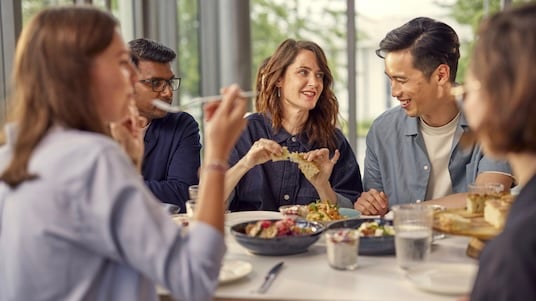
The selection of available workplace dining options is more than just a question of “what to eat for lunch” - it has become a lever against which other workplace challenges are measured, and can place a company at a considerable advantage (or disadvantage) against their competitors.

For example, as 92% of British consumers use food or drink to feel happier (Mintel, 2026), the impact that food can have on employee satisfaction cannot and should not be underestimated. This can, in turn, address related issues like employee retention and burnout by creating positive associations with the office environment, knowing that they will have consistent access to safe, tasty, nutritional meals - one less thing to worry about during the workday.

In industries particularly affected by talent shortages, the employee benefits package can often make or break the recruitment process. Given that 64% of consumers in corporate services globally state that indulgence and delight are their primary motivation for choosing food at work (Sodexo Food Tracker, 2024), 58% of US consumers purchase "all natural" food or drink because they feel healthier (Mintel, 2025), and 71% are interested in foods that offer health benefits beyond basic nutrition (Global Monitor, 2024), any company that manages to address all three will be excellently positioned to use this as a selling point while recruiting new talent.


Knowing that a company cares for employees’ well-being is a major draw for top candidates when choosing their next place of work.


As many companies are pushing harder for “return to office” mandates while employees fight for more autonomy in their work environments, offering food options that are energy-boosting, gut-friendly, or support mental wellness creates an appealing argument for Gen Z and Millennial workers (Lifesum, 2024) to accept a hybrid work model.

How innovation is reshaping Workplace Food

To fulfill these shifting desires, a new set of industry best practices has emerged. Food service providers are reimagining traditional categories to make fresh food more exciting, using seasonality to create variety and shorten the supply chain, and elevating everyday dishes through culinary creativity.

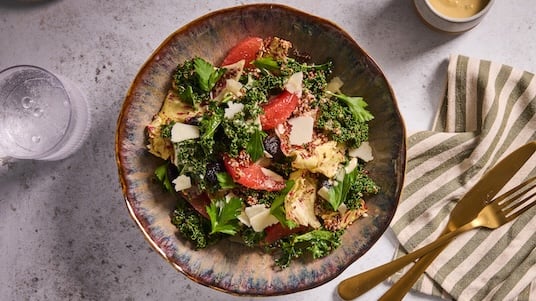
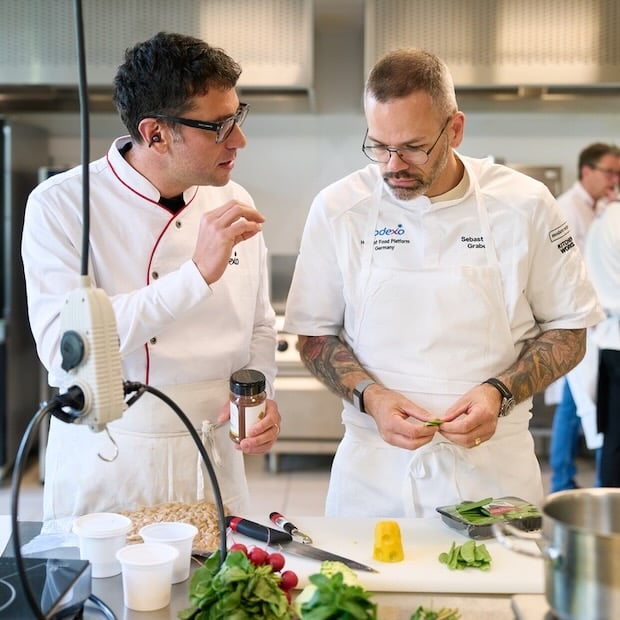
Sodexo took up this challenge with a dish that is often overlooked but has huge potential for widespread appeal: salads. Too often perceived as a side dish, seasonal option or compromise choice, salads rarely generate excitement despite responding to many modern food expectations. Partnering with Unilever Food Solutions, Sodexo aimed to flip that perception on its head by bringing together chefs from six different countries for a global culinary innovation workshop at École Lenôtre in Paris.

Transform salads into complete and desirable meals that employees actively choose for on-site dining.

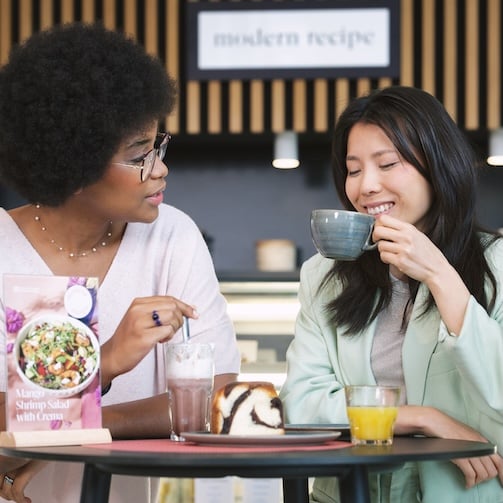
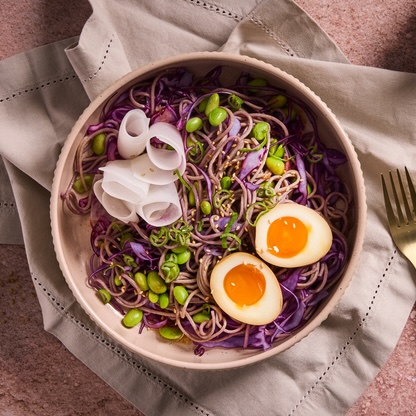
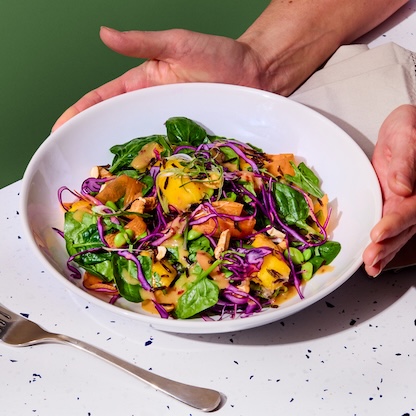
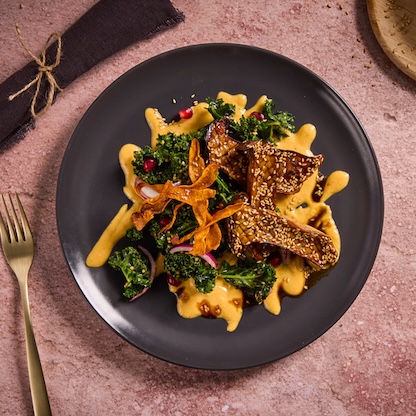
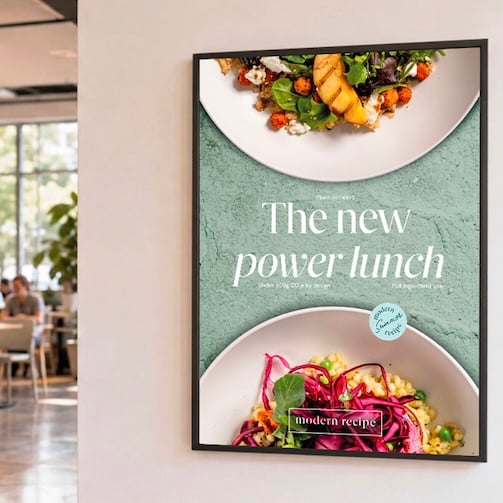
Together, these chefs developed 28 salads for Sodexo’s Kitchen Works and Modern Recipe brands, utilizing plant-forward recipes using Future 50 ingredients while still prioritizing flavors and the overall meal experience. Structured seasonally to encourage the use of fresh produce, the portfolio repositions salads as complete, satisfying meals that also meet nutritional expectations.

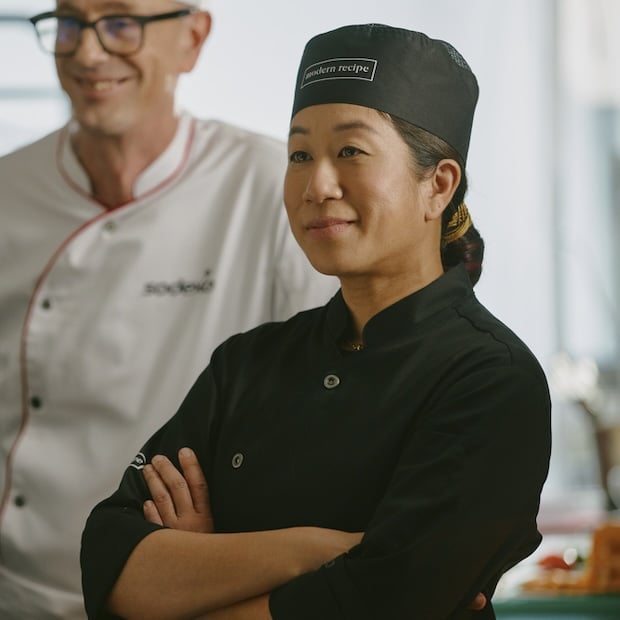
Theknowledgesharingarounddifferentplatingstyles,ingredientcombinations,andoverallinnovationprocessleftmefeelinginspiredandreadytodesignwithfresheyes.
Roslyn DarlingModern Recipe Chef

It was an inspiring experience that not only fueled culinary creativity but also strengthened my approach to innovation, partnership, and delivering meaningful solutions for our clients and guests.

Carl SchwartzKitchen Works Chef

All of the salads created during this workshop will be rolled out into employer-provided meal programs in Modern Recipe and Kitchen Works restaurants for a full year.


As employee expectations evolve, workplace dining is taking on a new role. No longer viewed simply as a convenience, it has become a powerful tool to support well-being, strengthen the employee
experience, and encourage connection with the workplace.
Employees are increasingly seeking meals that deliver pleasure, freshness, quality, and well-being in equal measure. For employers, the challenge is no longer just to offer healthier choices, but to make them genuinely desirable through culinary creativity, trusted ingredients, and memorable dining experiences.


The workplaces that succeed will be those that recognize food as an investment in people, creating experiences that support both the physical and mental well-being of their employees while making the workplace a destination employees want to return to.

Let’s Talk

Are you ready to take your food services to the next level? If so, let’s talk.

Get in Touch

Related articles