

Healthcare
Whitepaper: The role of clinical nutrition in hospital care

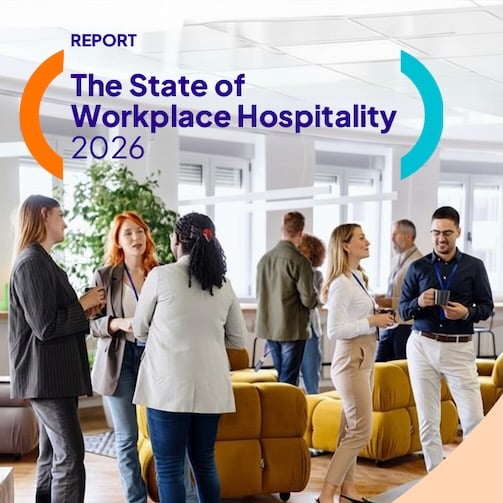
Gallup reports that just 20% of employees worldwide are engaged, and employee engagement has now declined for two consecutive years. At the same time, 51% of employees rank work-life balance among their highest priorities, making the overall workplace experience more influential than ever.
The conversation has moved beyond return-to-office mandates. Today's challenge is designing workplaces that people actively choose.
The financial case has become increasingly difficult to ignore.
The report highlights research linking belonging to stronger business performance, lower absenteeism and improved retention. At a time when organizations continue to invest heavily in attracting and retaining talent, the workplace experience has become an important commercial lever, not simply a cultural initiative.
Today’s workplace technology is changing how services are delivered, making it easier to remove friction, personalize support and understand employees’ needs. Used well, this kind of technology can flag when a team is under-served, streamline booking and requests, or surface the small details from a returning visitor's preferences to a recurring team's needs. All these things make people feel recognized rather than processed.
At the same time, organizations need to build trust through transparency around data and responsible use of technology. The best workplaces are using technology to enhance human interactions, not replace them.
Circle’s proprietary technology connects the entire service ecosystem, supporting hospitality teams with the workflows, insights and operational structure needed to deliver consistent, high-quality experiences at scale.
Perhaps the strongest message from this year's report is that workplace hospitality is no longer a nice-to-have.