What happens when food meets data

Foodservice has always been about feeding people. Today, it is increasingly about understanding them. The organizations creating the strongest workplace experiences are learning that every meal can generate insights that help improve engagement, wellbeing and performance.

Across workplaces, employers face a growing challenge: supporting employee wellbeing, attracting people back on-site, improving productivity and delivering more sustainable operations, all while managing rising costs and increasingly diverse expectations.


Food remains one of the most visible and appreciated services in the workplace. In fact, 81% of employees say that the availability of food options in and around the workplace influences their willingness to come on-site, highlighting the growing role food plays in the overall workplace experience (Fooda Survey, 2024).


At the same time, expectations are changing. Employees want convenience, choice and flexibility. They expect services that fit around their schedules, dietary preferences and daily routines.

of consumers decide what to eat in the moment.

Consumer behaviour is evolving in the same direction. Today, 67% of global consumers decide what to eat in the moment rather than planning meals in advance (Kantar Global Monitor, 2023). Traditional assumptions about meal occasions, routines and preferences are becoming less reliable.


For employers, this raises a new question: how can workplace dining become more personal, more efficient and more measurable without losing the human experience that makes it valuable in the first place?
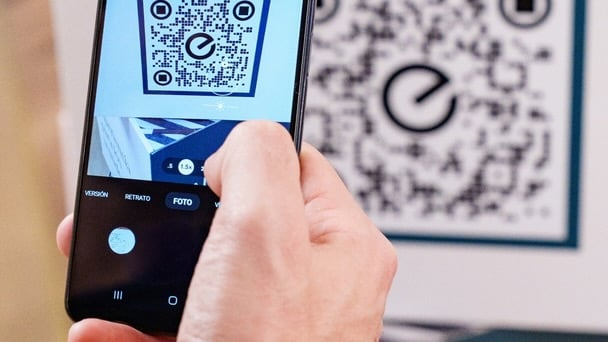
The next generation of workplace dining is data-informed, not data-driven.

For years, workplace foodservice has relied on operational metrics such as transactions, participation rates and food costs. While important, these indicators only tell part of the story.

The organizations creating the greatest impact are beginning to look beyond what people buy and towards understanding why they make certain choices, when they engage, what shapes satisfaction and how food contributes to broader workplace outcomes. This shift is not about replacing hospitality with technology. It is about making hospitality more informed.

When dining teams understand consumption patterns, employee preferences, peak demand periods and satisfaction levels, they can make better decisions. Menus become more relevant. Nutrition programs become more targeted. Sustainability initiatives become more measurable. Operations become more efficient.


The opportunity extends far beyond the plate. Research shows that 69% of workers believe food-centred events help them feel more connected to their colleagues (ezCater, US, 2026). At the same time, 91% of employees say they actively use food to improve focus and concentration throughout the day (Mintel, UK, 2026).


Food is no longer simply a workplace amenity. It is increasingly becoming a contributor to culture, wellbeing and performance.

Thegoalisnottocollectmoredata.Itistomakebetterdecisions.

Kitchen Works: making eating well easy

Kitchen Works by Sodexo was created around a simple premise: making eating well easy.

Designed for employees working across offices, manufacturing sites, healthcare environments and other demanding workplaces, the brand focuses on removing barriers to nutritious, affordable and enjoyable food throughout the workday.

Variety. Convenience. Value. Community. Feel-good food. Positive impact. Together, they shape the Kitchen Works experience. Delivering those promises consistently requires more than great food and hospitality. It requires the ability to continuously adapt to changing needs, improve experiences and operate efficiently at scale.

Creating value for employees, clients and operators

  • Loading component...

  • Loading component...

  • Loading component...

From transactions to transformation

Perhaps the most significant shift taking place in workplace foodservice is that organizations are beginning to see food differently. Not simply as a service, not simply as a benefit, but as a source of insight.


Every meal creates signals. Every choice reveals preferences. Every interaction creates an opportunity to learn. When those signals are connected responsibly and used thoughtfully, they create a feedback loop that benefits everyone involved.Employees receive experiences that are more relevant to their needs. Clients gain greater visibility into outcomes that matter to their organization. Operational teams become more efficient and sustainable.


The future of workplace dining will not be determined by technology alone, nor by culinary excellence alone. It will belong to organizations capable of combining both. Because when food meets data, the goal is not to serve technology.


The goal is to serve people better.

Let’s Talk

Are you ready to take your food services to the next level? If so, let’s talk.

Get in Touch

Related articles