
Facilities Management in Manufacturing: how providers can reduce downtime

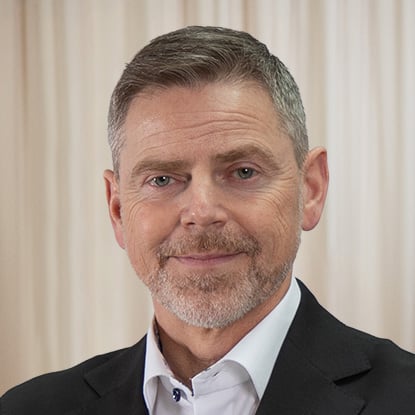
Ulf Wretskog
Ulf WretskogCEO Continental Europe

Growing competition, tighter regulation and ongoing supply shocks are creating challenges for manufacturers everywhere. Our Continental Europe CEO Ulf Wretskog explains how FM is evolving to drive greater efficiencies and keep production lines running.

Reducing downtime in manufacturing

Factory operators want compliant products off the line and into the market fast: a simple concept that hides incredible complexity. For cars, medicines or consumer goods, the smallest issue at any stage of the process – automated or human – could cause a profit-draining shutdown.


Yet global market conditions require that companies simultaneously tighten their belts, embrace technology and decarbonize. This wave of change could leave plant managers walking a tightrope, forever balancing quality and speed against efficiency and innovation.


The facilities management sector must step up to help.

Manufacturing facilities management enables performance

I’m an engineer by education, and I’ve had the privilege to work in or for companies that innovate complex spaces. I’ve seen firsthand that productivity improvements are delivered through careful planning and adherence to strict protocols, and it’s an approach that’s mirrored by the sector’s FM partners.

In pharmaceutical cleanrooms or car assembly plants, the way FM professionals prepare, maintain, fix and optimize critical environments has evolved to keep production lines moving. It must evolve again to embrace AI, finding more efficient ways to not just reduce downtime in manufacturing but also to anticipate and prevent it.

Preventative maintenance for factories: the right data and the right robots

Factories worldwide are in a robot rush, investing in analytics tools, AI cobots and even humanoids to cut operating costs and boost production. In FM too, technology is transforming approaches to building and system maintenance to keep costs down and service levels high.  


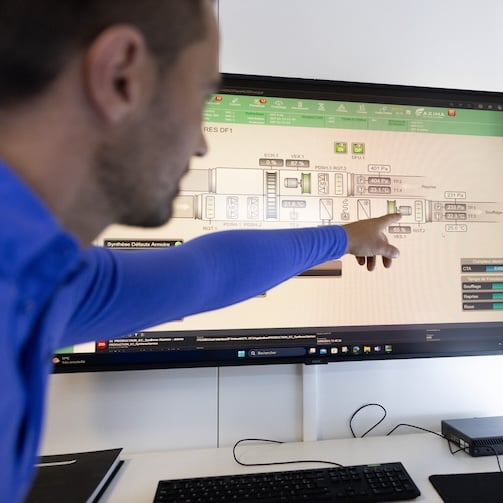
The volume of data alone represents a significant opportunity. Twenty years ago, you might be lucky to find 50 data points to inform a decision; today, there are thousands. Converted into insight by our global intelligence centres, we can identify component failures long before they impact asset performance, reduce emissions through smart energy management and adjust cleaning schedules dynamically in response to usage patterns.  

When it comes to robots, we’ll use them where they add value safely and efficiently. But it’s not big data that will finalise that decision, it’s collaboration with our clients and attention to the smallest detail.

Listening closely is what keeps things moving

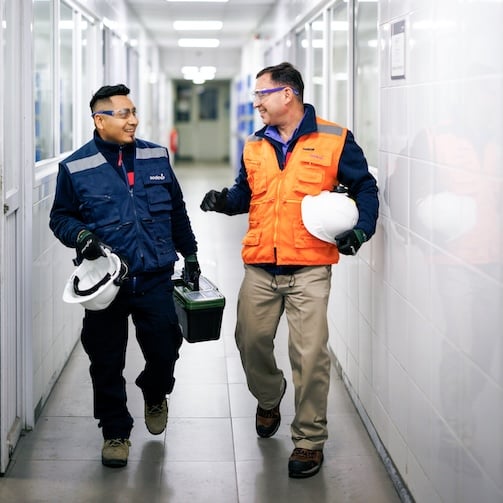
In busy factories, the best FM is often hidden. The results should be obvious – seamless operations and spotless environments – but the process can’t get in the way. Robot vacuums, for example, can work for long corridors and 9-5 shift patterns; they may not suit busy spaces that run 24/7.

What’s key is that plant managers trust their FM colleagues to work towards their objectives. In my experience, that trust is built with a visible presence. It’s why our site managers attend the daily on-floor meetings where they can. If they hear that today’s output has to be higher to make up for a previous day’s shortfall, they will move tasks and reassign people to keep that day distraction free.

Being noticed for making a difference

From the factory floor to the head office, we aim to add value at every level. We know how accurate data on asset-level carbon emissions at just one site will help to meet company-wide ESG targets, which is why we’ve introduced a Green Skills programme for all colleagues. And we’re investing in AI-enabled technologies to give everyone – from site-based teams to global account directors – a clear picture of performance so they can explore what’s next.


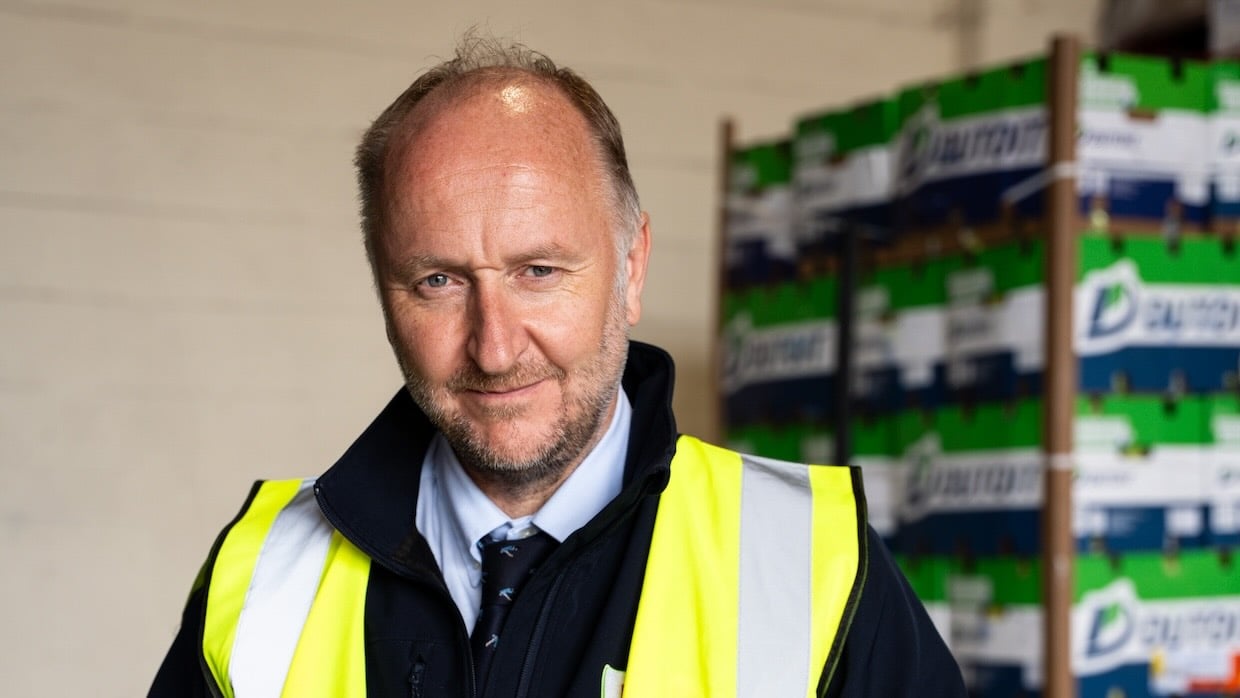
Finding ever more efficient ways to keep manufacturing facilities running smoothly is what we do. But I think the way we do it stands out. I want clients to notice our people not for the uniforms they wear but for how they work: carefully, creatively, and with complete focus on supporting a productive day. 

More about Sodexo