Water takes center stage as Stop Hunger marks 30 years of fighting hunger

Photo Stop Hunger principale

At its 10th annual dinner, held at La Seine Musicale, Stop Hunger united its global ecosystem around the critical link between water and food insecurity - and celebrated three decades of collective impact. The evening also honored organizations improving access to water for vulnerable communities around the world. 

Last night, Stop Hunger gathered key partners, major donors, NGOs and Sodexo and Pluxee clients at La Seine Musicale for its annual dinner. Marking 30 years of Sodexo's philanthropic commitment to ending hunger, the evening put water at the heart of the conversation - and its inextricable link to food insecurity worldwide. 

Today, 2.2 billion people still lack access to safe drinking water, while climate change, pollution and droughts are threatening food security worldwide. Throughout the evening, guests gained deeper insight into these challenges while discovering inspiring initiatives improving access to water for vulnerable communities. 

In response, Stop Hunger chose to highlight concrete solutions, collective action and hope - a spirit reflected in the warm and deeply human atmosphere of the event.

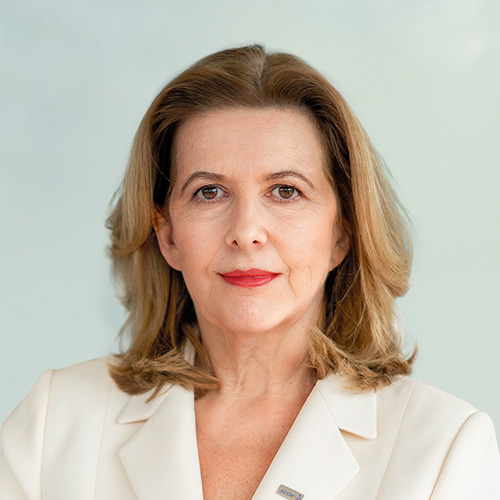
Thirty years after its creation by Sodexo employees, Stop Hunger has become a powerful example of what collective action can achieve. Reaching more than 100 million beneficiaries supported since 2015 is a major milestone - but also a call to go further, by continuing to mobilize our ecosystem to fight hunger and support vulnerable communities worldwide.

Sophie BellonChairwoman of the Board of Directors, Sodexo and Stop Hunger

Recognizing NGOs driving change through access to water

Three NGOs were honored for demonstrating how reliable access to water can transform lives, health and strengthen food security.

  • Better With Water – Philippines - for developing affordable running water networks in underserved communities lacking public infrastructure for more than 15 years. In the Philippines alone, more than 35,000 inhabitants now have direct access to clean water at home and with it, an official existence: connection to a water network places them on administrative records for the first time, opening doors to health, economic opportunities for women and public services.
  • Naandi Foundation - India - for pioneering, since 2005, a decentralized drinking water model, now reaching more than 3 million people across hundreds of villages. By providing safe alternatives to contaminated water sources through community-run kiosks operated by women, the initiative has turned access to clean water into a springboard for women empowerment and economic autonomy.
  • Rendez-vous Solid’R - Guinea-Conakry - for bringing drinking water wells to underserved communities in West Africa since 2020. A recently inaugurated community well now provides an entire village with reliable access to safe water – freeing women and girls from lengthy water collection trips to pursue education and economic activities, while also opening new possibilities for local agriculture and food resilience.

An evening powered by solidarity and commitment

Loading component...

Loading component...

Loading component...