




5 ways workplace hospitality can enhance office spaces for employees

The modern workplace is evolving to meet the needs of today’s employees and organizations. Workplaces which are designed with hospitality services in mind are dynamic, comfortable and flexible spaces that work for everyone, boosting productivity, collaboration and well-being.

Find out how this works:

1. Flexible office spaces designed for collaboration and employee engagement

A thoughtfully designed office encourages collaboration by offering a variety of environments suited for different work styles. From lounge-style seating for casual discussions to conference rooms with whiteboards for structured meetings and standing huddle areas for quick check-ins. This zoned approach combined with technology-driven booking systems and space use analytics ensures that every need is covered and every space is maximized. 

Workplace hospitality adds additional value by using these flexible spaces to support after-hours social and community events, appreciation celebrations and networking lunches. This dual-purpose approach fosters community spirit and creates opportunities for additional revenue. Open feedback channels allow employees to share workspace preferences, leading to ongoing enhancements that improve satisfaction and productivity.

2. Design alone isn’t enough: real employee well-being comes from human connection

Wellness-focused office design, with features like ergonomic furniture, biophilic elements, and clean air, can enhance productivity and comfort. In fact, a 2023 CBI Economics study found that reducing indoor pollution alone could improve output by up to 15%. But design can only go so far. True mental well-being at work stems from feeling seen, supported, and valued — every day.

That’s where workplace hospitality comes in. Through consistent, high-touch interactions across the employee journey, from warm greetings to thoughtful support during stressful moments, it creates a culture of care and belonging. This human-centered approach is what transforms a well-designed office into a truly supportive workplace.

3. Creating a welcoming office environment with hospitality-inspired services

An inviting office environment helps employees feel more engaged and valued. Technology can support this through features like personalized lighting and climate controls. However, nothing replaces a warm human welcome.

A guest experience manager can greet employees by name, assist with office needs, and ensure team members feel supported throughout the day. From helping employees locate meeting rooms to providing preferred snacks or ergonomic adjustments, these thoughtful touches make the workplace more comfortable and enjoyable.

By fostering a hospitality-driven culture, organizations create a space where people feel appreciated and empowered to do their best work.

4. Office amenities and concierge services that enhance employee experience

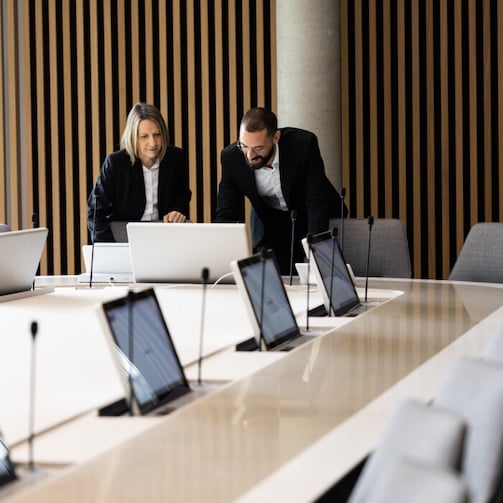
Inspired by the hospitality industry, businesses can elevate the workplace experience with high-quality amenities. Meeting rooms should feature seamless tech integration, comfortable seating and an inviting atmosphere to enable effective collaboration without disruptions.


Workplace hospitality enhances this experience by offering healthy snacks, premium coffee, and concierge-style services such as dry-cleaning pickup, wellness programs, and on-site fitness classes. These services help employees balance their work and personal lives while feeling cared for and energized.

5. Sustainable office design for employee wellness and environmental impact

Today’s employees want to work for companies that reflect their values. IBM research shows that 67% of people are more likely to apply to environmentally sustainable organizations, and about one in three who switched jobs in the past year accepted a lower salary to join companies with stronger social or environmental commitments.

Sustainable office design not only supports the planet but also enhances employee health. Features like natural lighting, fresh air circulation, access to green spaces, and biophilic design contribute to a more productive, engaged workforce.

Workplace hospitality helps embed sustainability deeper into company culture. Strategies may include effective waste reduction, employee co-creation of green initiatives, and using data and analytics to continuously improve building performance while ensuring a positive impact on employees.

Fostering a culture of workplace hospitality and employee connection

The way employees interact with their workspace and each other is just as vital as the physical environment. A hospitality mindset fosters a sense of belonging, engagement, and support. Training front-desk and office managers in hospitality best practices helps create a service-oriented atmosphere.


Organizing appreciation events, well-being initiatives, and networking opportunities strengthens team bonds. Open communication channels and data-driven insights ensure the space evolves with employees' needs, maintaining high satisfaction and efficient space use.

By embracing hospitality-driven principles, organizations can turn office spaces into vibrant, functional, and comfortable environments. Prioritizing thoughtful design, flexibility, and service creates workplaces where employees feel valued, engaged, and inspired every day.


When businesses adopt a hospitality mindset, they build more than just an office—they cultivate a culture. This leads to higher productivity, stronger connections, and long-term success. Investing in hospitality-inspired design isn’t just about aesthetics—it’s about creating a place where people truly want to be.

Find out more about how Circles can help

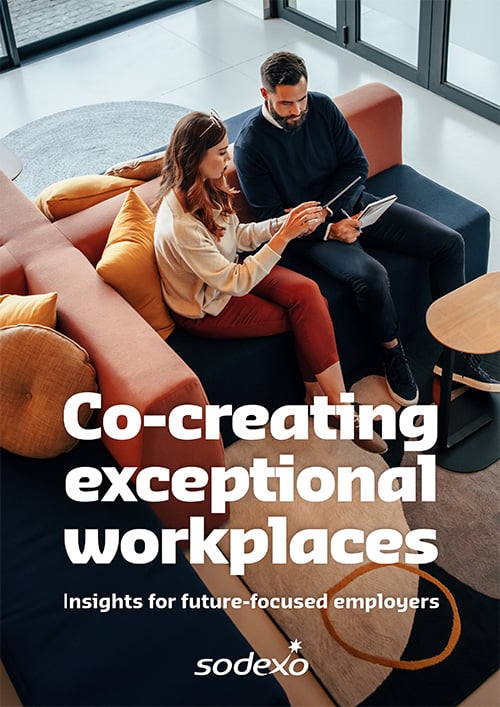
Co-creating exceptional workplaces

Discover what resonates with employees like yours around the globe in our whitepaper ‘Co-creating exceptional workplaces’ 

More about Sodexo

  • Food

    The sustainable chef superstars fuelling your day

  • Food

    How AI is bringing true personalization to workplace dining

  • Food

    How healthy food unlocks a world of benefits

  • Workplace Experience

    Healthy Workplaces: The Future of Productivity