
Healthcare
Whitepaper: The role of clinical nutrition in hospital care


This is the second article in a series by Alice Guéhennec, Global Chief Tech, Data, Digital and Innovation Officer at Sodexo. The series explores how artificial intelligence (AI) and digital solutions are reshaping workplace dining and the broader workplace experience.
Just three years ago, hybrid working felt settled. Now it ebbs and flows, advancing in some places and retreating in others. The model may prove temporary, but I believe its impact has been profound. It has shown employers that the engagement of their workforce depends on human connections at work.
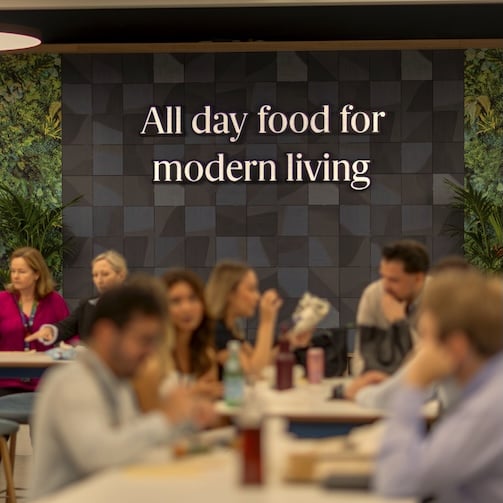
In a world with a mix of hybrid schedules, social dining is one of the strongest glues to hold workplace bonds in place. And perhaps surprisingly, technology can amplify the benefits. By shaping menus formats and spaces, it intentionally brings people together. Nurturing community can improve our emotional connection to our work and each other.
The lunch hour is no longer a fixed moment in the day and today’s workforce values choice, autonomy, and flexibility. Whether that means eating earlier or later, choosing plant-based one day and protein fuel the next or accommodating specific dietary needs.
In many sectors, all-day dining is now the norm.
While this flexibility is empowering, it introduces a new challenge: when everyone eats differently, it becomes harder to eat together. We’ve seen this tension before in shift-based manufacturing environments, and it’s increasingly relevant in office settings too. Lunch becomes fragmented.
Technology offers a clear path forward - one where personalization drives inclusion, smart environments remove friction, and empowered staff bring warmth back to the workplace.
Digital feedback tools can keep food services closely matched to consumers’ needs. They enable fast adjustments and better long-term planning, signaling that employee voice matters.
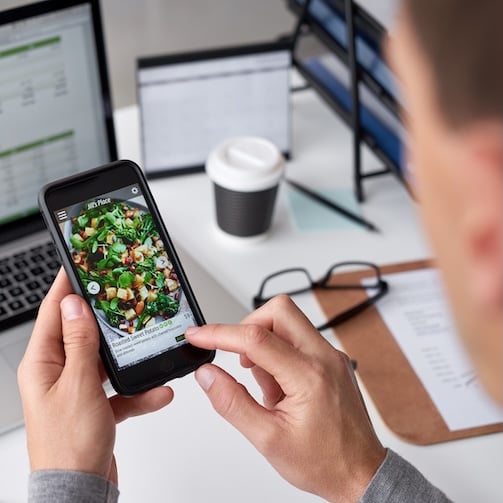
The popularity of our own consumer app demonstrates the potential for workplace dining technology. Users have increased by 25% in the last year to 6 million. With more than 2 million transactions every month and an average satisfaction score of 4.8/5, there is a clear appetite for pocket-sized personalization.
No two sites look the same. Technology gives us the precision to meet diverse needs without losing the warmth of human hospitality, turning every meal into a moment that strengthens connection and belonging.
By analyzing millions of monthly transactions & consumers’ reviews, AI enables us to reveal what employees value most, enabling smarter, more responsive services. By tracking footfall, dwell times, choices and satisfaction levels, we design spaces that keep the conversation flowing and the queue moving.
AI is transforming the role of people, chefs and servers. They can now focus on what matters most: genuine human interactions. Global research we completed with YouGov shows that social interaction is one of the main reasons employees choose to travel into the workplace. They crave moments that matter, and technology can free food service teams to engage their consumers in more meaningful ways.
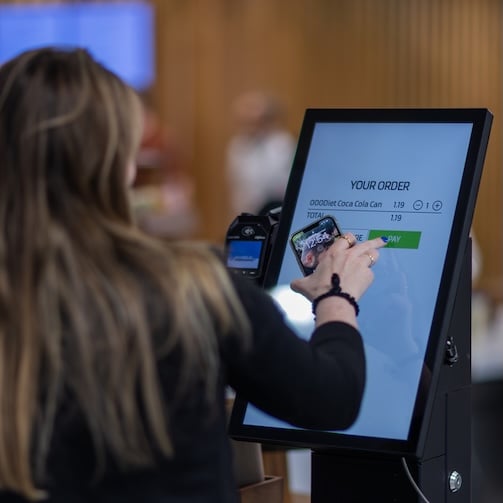
My bet is that cashiers will become hospitality and community managers, curating social interaction rather than processing transactions. I believe in investing in innovations that allow our own teams to step out from behind the counter. This is already extremely valuable to our clients, stirring extra warmth into everyone’s day.