Innovation + Quality: Building Passenger Loyalty through the Airline Lounge
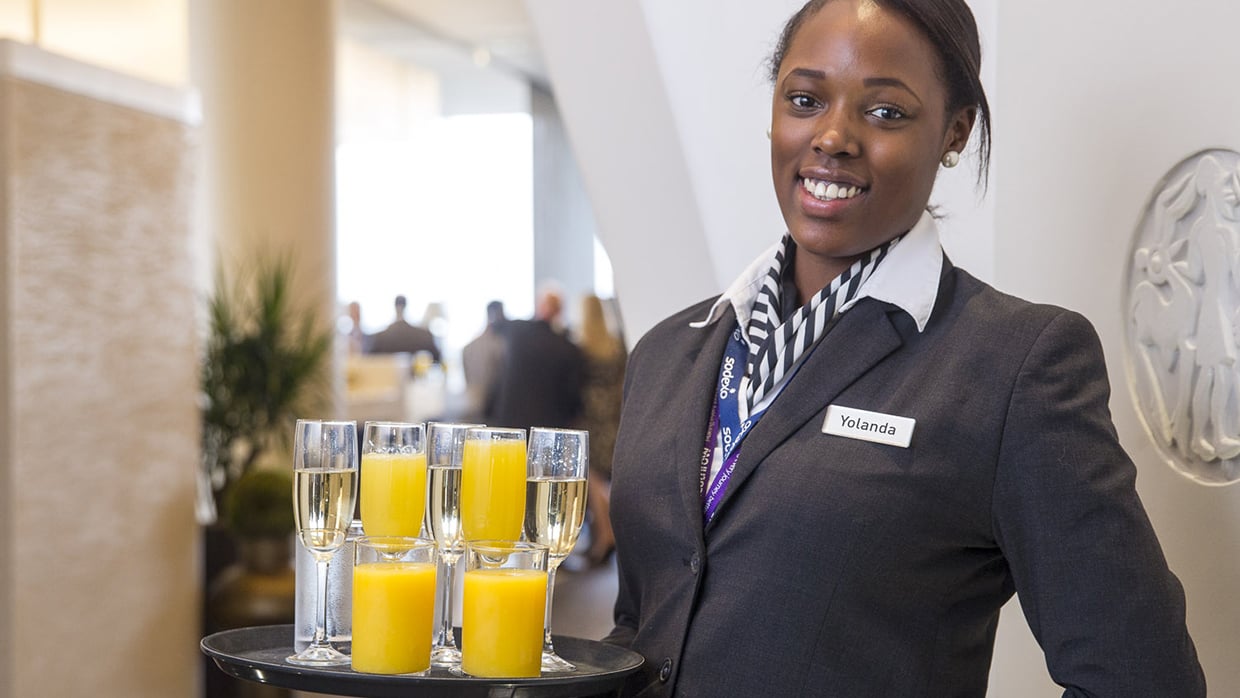
In an increasingly competitive market, airlines seek differentiation through best-in-class amenities and luxury experiences both on-board and on the ground. Rich in symbolic, functional and experiential value, airline lounges serve as a primary determinant of airline selection for first-class and high-frequency business travelers.
Our survey of current research shows that lounges play a significant role in developing and sustaining passenger loyalty, as demonstrated by repeat purchases, cabin trade-ups and positive word-of-mouth.
TRAVELER SATISFACTION IS NOT ENOUGH
An analysis of more than 2,000 units of customer survey data posted on airlinequality.com revealed four factors – atmosphere, food and beverage, employees and facilities – that significantly affected overall satisfaction with airline lounges.1 All but one factor, facilities, predicted travelers’ intention to revisit the lounge. Across more than 10 international airlines and international airlines surveyed, the service categories that best predicted loyalty were (in order) comfort, catering, staff service, bar / beverages, Wi-Fi connection and washrooms.
One of the key insights gained from academic studies, however, is how little customer satisfaction contributes to passenger loyalty. In fact, one study measuring traveler satisfaction with such features as seat comfort, punctuality, rates, flight schedules, and on-board catering and entertainment found that satisfaction emerged as a key driver of airline loyalty in NONE of the calculated models.2
Rather, the study found that satisfaction informs only the first decision in a two-step process, with the second decision dependent on factors specific to customer demographic categories. Among high frequency business travelers, a study by Deloitte found that frequent flyer programs offering VIP benefits such as access to luxury lounges ranked second on their list of priorities – higher even than safety!3
BEYOND SATISFACTION
An international group of researchers examined the role of brand personality, self-congruity and sensory experience in elucidating “sky lounge users’ behavior.”4 They define four categories of benefit that contribute to a customer’s perception of value in the airline lounge space:
- functional benefits, which help customers complete their tasks
- sensory benefits, which accrue when experiences activate positive emotions of pleasure and joy
- symbolic benefits, which exist when customers recognize themselves – their interests, values and identity – in a brand offering
- social benefits, which occur through the gratification a customer experiences in seeing their own self-image reflected in – and by – other consumers of the same product
To move beyond satisfaction and build enduring customer loyalty, operators need to ensure that travelers experience each of these benefits in the airline lounge.
Another study of customer loyalty found that where innovation combines with perceived quality, customer loyalty begins.5 The sections that follow provide actionable insights into how airlines can secure the loyalty of lounge visitors through innovative offers targeting each of these benefits.
FUNCTIONAL BENEFITS
These differ according to the needs of individual visitors, and customer experience teams work hard to ensure that lounges provide suitable environments for working, relaxing, socializing, fueling and hydrating, exercising, showering and more. Innovating in this space means keeping abreast of trends across diverse industries related to luxury hospitality.
Functional Innovations
- Ultra High-Speed Connectivity, with 5G on the horizon
- Increasing the number of power points / USB points per seat
- Furniture design for privacy or socializing, including configurable furniture and flexible-use spaces
- Zone seating to accommodate different needs, including collaborative meeting spaces
- “Functional foods,” including nutritious superfoods, hydration and easily digestible foods to prepare the body before and recover after long flights
- Chairs with built-in luggage storage
- Movement sensors in the washrooms that count frequency of visits and alert teams to clean the areas
SENSORY BENEFITS
In addition to helping travelers complete their tasks, airline lounges create experiences of pleasure and joy – and these sensory benefits exponentially increase the guest’s valuation of their experience. An experience of luxury might occur at any touchpoint, beginning with the welcome they receive on entering the lounge. Atmospheric features such as appealing décor, high-quality furnishings, comfortable lighting and temperature, pleasant scents and ambient music contribute powerfully to this benefit.
Sensory Innovations
- Luxury touches to surprise and delight in food and beverage service, such as fine wine flights
- Spa service
- Entertainment
- Washrooms and gym facilities, including Peloton® bikes
- Private sleep cabanas
- Zen/Mindful rejuvenation areas
SYMBOLIC BENEFITS
The positive emotions arising from sensory benefits naturally build relationships between visitors and the lounge operator’s brand. When visitors recognize their own interests, values and identity in the environment, they develop a strong symbolic bond with the lounge’s brand. These relational connections are among the most crucial advantages in the competitive airline industry.6
Symbolic Innovations
- Waste reduction programs to offset the non-sustainable carbon emissions of flying
- Partnerships with charities and local communities
- Supporting artisan suppliers and innovative new businesses with diverse ownership structures
SOCIAL BENEFITS
Travelers also realize a social value in VIP offerings – the gratification of seeing their own self-image reflected in and by the company they keep in a luxury environment.7 Boosting the social value of the lounge involves practical matters like avoiding overcrowding and implementing dress guidelines, but also creating unique events and opportunities for socialization.
Social Innovations
- Appeals to sophistication through pop-up offerings and educational experiences
- Appeals to individuality seekers through top-tier services with personalized touches
- Appeals to exclusivity seekers through unique experiences such as celebrity chef visits with signature food and cocktail tastings
RISE TO THE CHALLENGE!
Lounges provide an exceptional opportunity to build customer loyalty, but seizing that opportunity requires a well-defined and executed brand identity. Whether self-operating or contracting services, firms need strong collaboration between customer experience, operations, marketing and procurement teams to assure a consistent offer across the airline’s footprint, and to provide the personalized, innovative and highest-quality experiences that secure the loyalty of the most discriminating travelers.
Learn more about how Sodexo can help you meet modern travelers’ needs with innovative food and beverage options for your airline lounge. Airline Lounge Management
1 Bình Nghiêm-Phú. “An Analysis of Airline / Airline Lounge Service Using Data Gathered from airlinequality.com.” 3rd Asia Pacific Conference on Contemporary Research, Kuala Lumpur (2017).
2 Sara Dolnicar, Klaus Grabler, Bettina Grün, and Anna Kulnig. “Key Drivers of Airline Loyalty.” Tourism Management 32 (2011): 1020 – 1026.
3 Deloitte LLP. “Rising above the Clouds: Charting a course for renewed airline consumer loyalty.” 2013. https://www2.deloitte.com/content/dam/Deloitte/us/Documents/consumer-business/us_thl_rising_above_the_clouds_POV_080813.pdf
4 Bee-Lia Chua, Hyeon-Cheol Kim, Sanghyeop Lee and Heesup Han. “The role of brand personality, self-congruity, and sensory experience in elucidating sky lounge users’ behavior.” Journal of Travel & Tourism Marketing 36 (2019): 29-42.
5 Civilai Leckie, Munyaradzi W. Nyadzayo and Lester W. Johnson. “Antecedents of consumer brand engagement and brand loyalty.” Journal of Marketing Management 32.5-6 (2016): 558-78.
6 Deloitte, “Rising Above.”
7 Jinsoo Hwang, Seong Ok Lyu. “Understanding first-class passengers’ luxury value perceptions in the US airline industry.” Tourism Management Perspectives 28 (2018): 29-40.