Healthcare
Whitepaper: The role of clinical nutrition in hospital care

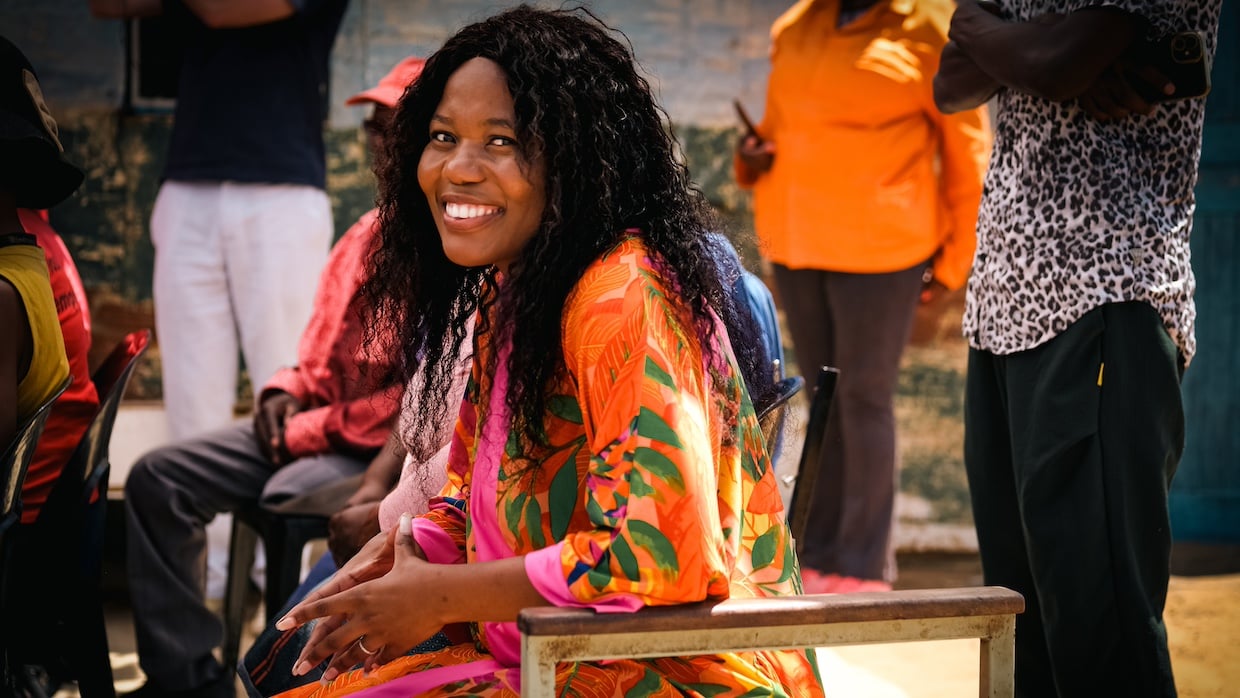
South Africa's agricultural landscape holds huge potential, with its diverse resources offering opportunities for growth and prosperity. Yet this potential remains partially untapped, particularly in rural communities where smaller-scale farmers face challenges accessing land, resources, and financial support. Women farmers, who play a vital role in agriculture, often encounter even more roadblocks to leadership positions and land ownership. Environmental pressures and economic factors also affect farming communities' ability to produce food sustainably, impacting household food security across the nation. By addressing these challenges, South Africa can work toward a more inclusive farming system that benefits all its communities.
“I believe that we all have a role to play as far as sustainability is concerned,” says Sharon. “Granting women access to land rights and resources empowers them economically, ensures food security for households, and fosters agricultural development, contributing to a more sustainable future for all."
"The HydroCoop is transforming communities by providing fresh produce and reducing carbon emissions from long-distance transportation," says Sharon. "Its compact, portable design makes it ideal for regions facing drought and water scarcity."
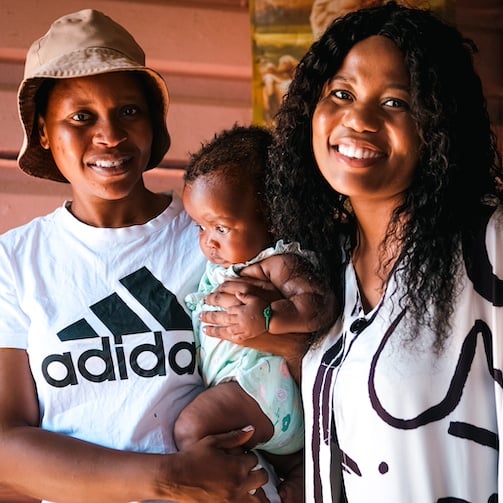
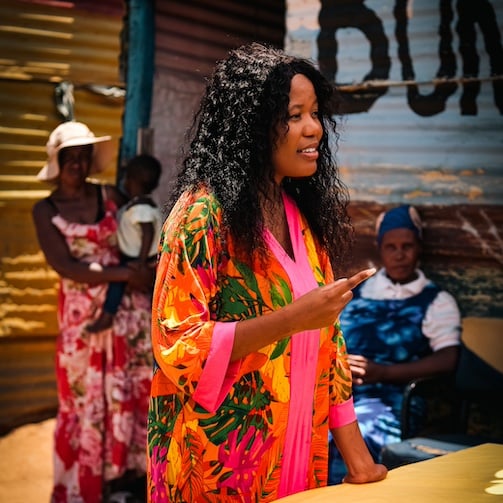
Through the Women for Zero Hunger program, Sharon is able to make an even bigger impact. She is now also supporting female farmers by providing business training, certifications, and connecting them with local financial and educational resources. Her goal is to address gender inequality, promote social inclusion, and improve food security, all while boosting local economies.
Sharon is also focused on educating future generations. "By teaching children the benefits of fresh, chemical-free produce, we can foster healthy eating habits and enhance overall wellbeing," she adds.
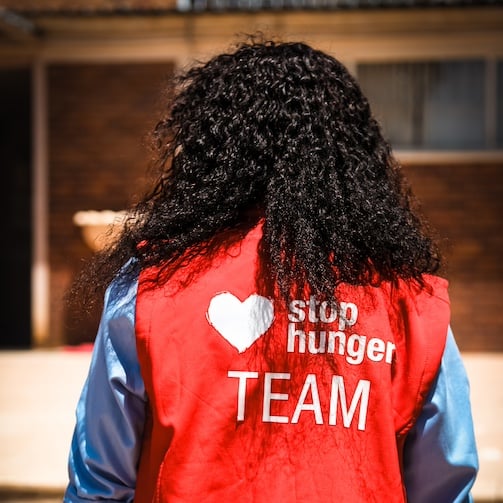
For more on how empowering women helps contribute to reducing global hunger, visit the Stop Hunger website.