Catering and sustainable farming: the perfect partnership

As a catering company, we buy a lot of food to feed a lot of people. We care about where that food comes from, and we want to be able to continue feeding people for years to come. 

Soil scientists have discovered that 33% of all the Earth’s soils are already degraded, from things like chemical pollution and erosion, and that 90% could become degraded by 2050

One of the ways we can reverse this damage is through the wider adoption of sustainable farming practices, sometimes referred to as ‘regenerative agriculture’.

What are the benefits of adopting sustainable farming practices?

Sustainable farming practices can lead to:

Healthier soil

Sustainable farming methods improve the natural fertility of the soil meaning healthier plants, more nutrient dense food with a longer shelf-life as well as nutrient dense soil which is more resilient and able to grow crops for future generations.

Greater biodiversity

Sustainable farming methods create habitats for a variety of plants, animals, and insects. This biodiversity reduces dependence of chemical fertilizers and pesticides as these creatures naturally keep levels of plant-eating pests at bay. 

Improved water retention

Healthy soil can filter and store more water meaning farmers can get better yields, even in years with droughts, and save money (and water!) on irrigation.

Reduced greenhouse gas emissions

Land which has benefited sustainable farming is able to do a better job at taking carbon dioxide from the air and storing it in the soil. 

Generally speaking, sustainable farming methods prioritize restoring and improving soil health, increasing biodiversity and working with natural ecosystems.

You can find out more about sustainable farming practices on this page from the WWF.

Working with Full Circle Farms

We want to be part of the solution. Businesses like ours can play a crucial role in sourcing ingredients from farms who practice sustainable agriculture.

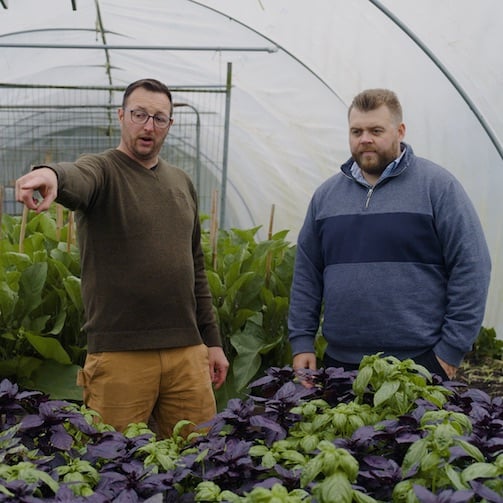
In the United Kingdom Sodexo Live! and the Good Eating Company (GEC) have started working in partnership with Full Circle Farms, a farm that offers organizations the opportunity to grow vegetables following sustainable farming practices with help of its farm team.

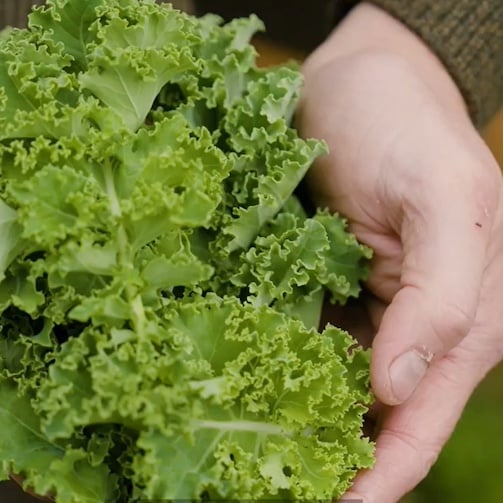
The Full Circle team works closely with our chefs at the different venues, in an amazing collaboration between farmers passionate about farming and chefs passionate about food. The partnership helps our chefs to understand different ingredients and why different vegetables taste better at different times a year. Fully understanding the science behind the crops means that our menus are planned to minimalize waste and maximize flavor! It gives us full traceability of our produce and ultimate freshness as produce is often out of the ground and into the kitchen within 12 hours.

No artificial fertilizers or chemicals are used on the farm and food waste from our venues is returned to the farm, where it becomes compost and part of the soil regeneration process.

The farm also supports the local community. Local people come to learn how to look after animals and grow crops whilst looking after the soil and environment. In addition to this, the farm supplies local food banks, the plots designated for food banks are funded by the companies who partner with the farm.

We’ve already supplied more than eight tons of organic vegetables from this farm which have been used at events and iconic customer venues such as Royal Ascot, Fulham FC and Brighton & Hove Albion FC.

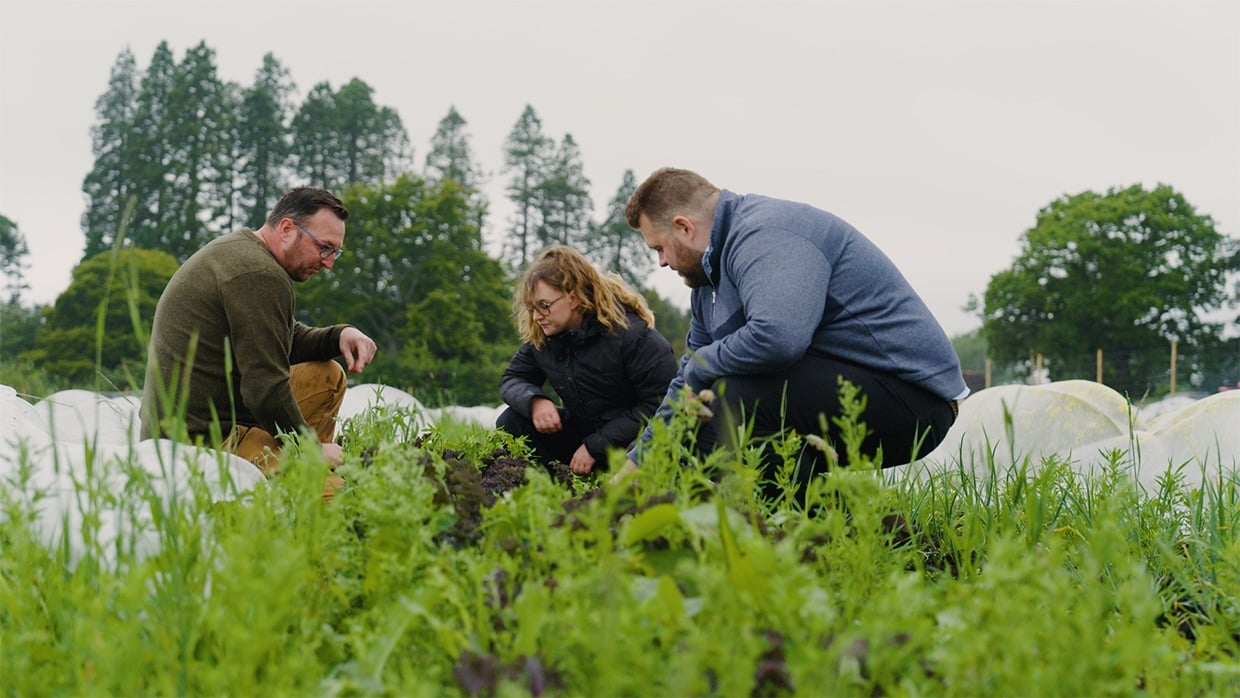
Find out more about Good Eating Company’s partnership with Full Circle Farms in this video was produced by BBC StoryWorks as part of the #PurchasingPowers series, presented by Consumers International:
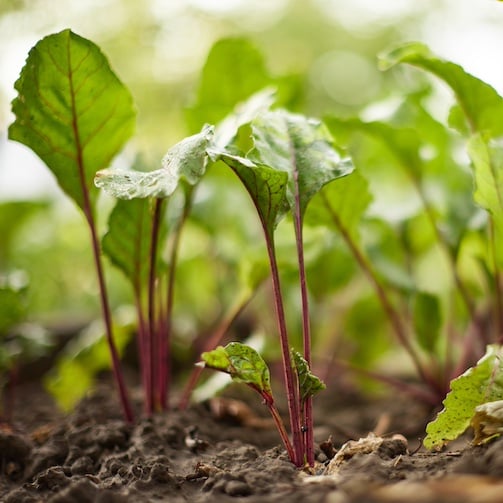
Sustainable farming is the future

In the United States, we’ve gone even further, and the GEC has committed 15% of its food budget to produce grown on farms using regenerative agriculture by 2025. In California and Georgia, GEC is buying a selection of meat, cereals and local produce from BIPOC (Black, Indigenous, People of Color) operated farms which practice sustainable farming. This fresh, sustainable and nutritious food is served in 10 cafes, to employees of tech companies in the San Francisco Bay Area.


Farms using sustainable practices not only reduce carbon emissions and improve the health of our planet but also contribute to the development of local communities and safeguard the health of future generations. Working with sustainable farms is just one of the ways we are working towards Net Zero by 2040.

Find out more about our climate commitments

More about Sodexo

  • Food

    The sustainable chef superstars fuelling your day

  • Food

    How AI is bringing true personalization to workplace dining

  • Food

    How healthy food unlocks a world of benefits