
Healthcare
Whitepaper: The role of clinical nutrition in hospital care


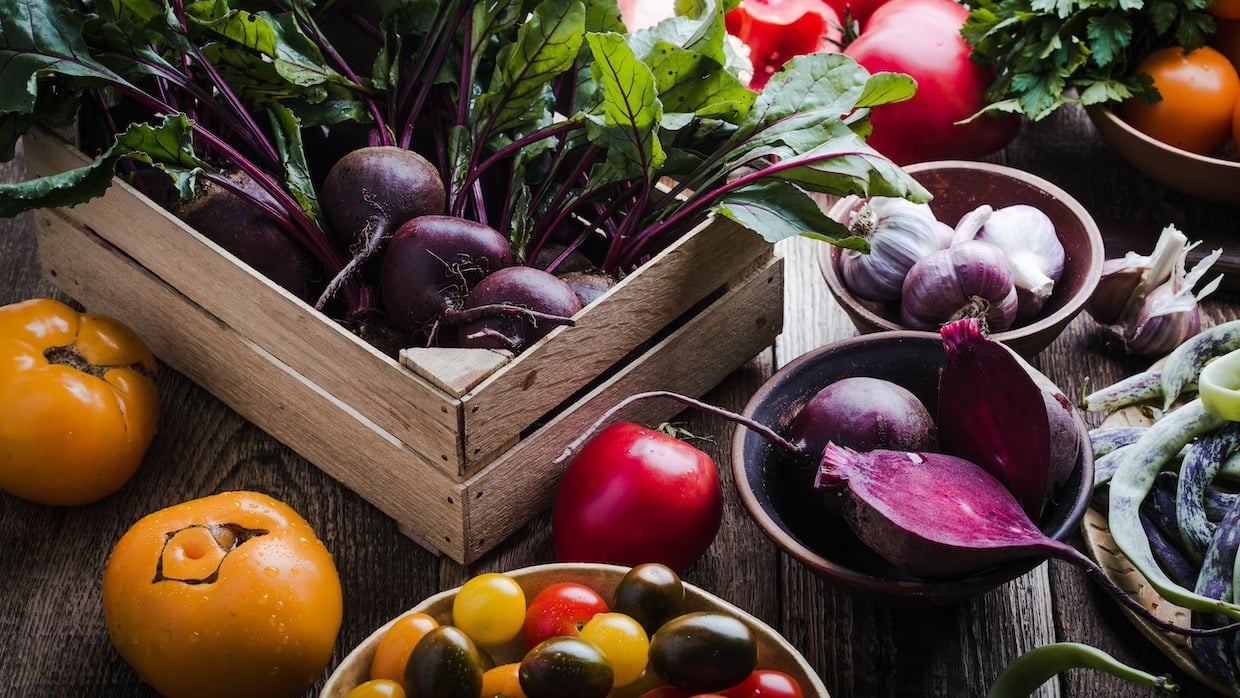
Our diets have a significant impact on the world we live in; everything we eat and drink has an environmental footprint, from the land our food is grown (or grazed) on, to the water that’s used to irrigate crops, to the emissions associated with growing and transporting our food. Shifting to sustainable food production and adopting sustainable diets are essential to tackle climate change and restore nature, while continuing to produce the food we need.
The food service sector, which caters to the billions of people eating out, day in day out, has a critical role to support customers to eat sustainably. Since 2010, WWF has been working in partnership with Sodexo as it seeks to improve its sustainable food offer and purchasing practices, helping to support a shift to more sustainable global food system.
Seafood is a vital part of diets worldwide; it can be a more sustainable source of protein, but only if we tackle overfishing and address other risks and wider issues within the seafood supply chain. Moving towards an approach to seafood sourcing that promotes a nature-positive future means businesses ask the right questions throughout the supply chain. This is a key step all food services businesses should aim for.
Since 2010, Sodexo and WWF have partnered to help transform Sodexo’s seafood supply chains working towards more sustainable product offerings and improving sourcing practices.
To contribute to the overall goal of ending deforestation by 2030 – an ambition agreed by 100 global leaders at COP26 - food service businesses need to eradicate deforestation from all their commodity supply chains as soon as possible. That means acting now to ensure verified deforestation and conversion-free supply chains for forest-risk commodities, for example beef, soy and palm. In some regions, including the EU, due diligence legislation is already mandating that companies address deforestation risks in their supply chains. As well as setting clear timebound targets for verified deforestation and conversion free supply chains for forest-risk commodities, food service organisations can also help to champion legislation that will underpin industry-led efforts to tackle deforestation and conversion globally.
Sustainable procurement is not just about food. The correct packaging is critical to ensure these foods are protected in transit and can also aid convenience when it comes to selling products to customers. However, packaging – whatever it’s made from – has an environmental footprint. Therefore, ensuring it is as sustainably sourced as possible, and doesn’t have continuing negative impacts once we’ve finished using it, is incredibly important. Companies should look to follow the three “Rs” to help reduce the impact of food packaging: “Reduce” the amount of material that is used for packaging in the first place, while still maintaining the quality and safety of the food; “Reuse” packaging by considering reusable and refillable packaging, and also including recycled content in the packaging; and “Recycle” by ensuring packaging choices are recyclable within local recycling systems. Using independently certified sustainably sourced materials (for example FSC certified paper and card) is another key step in minimising the impact of all materials that may ultimately end up as waste.
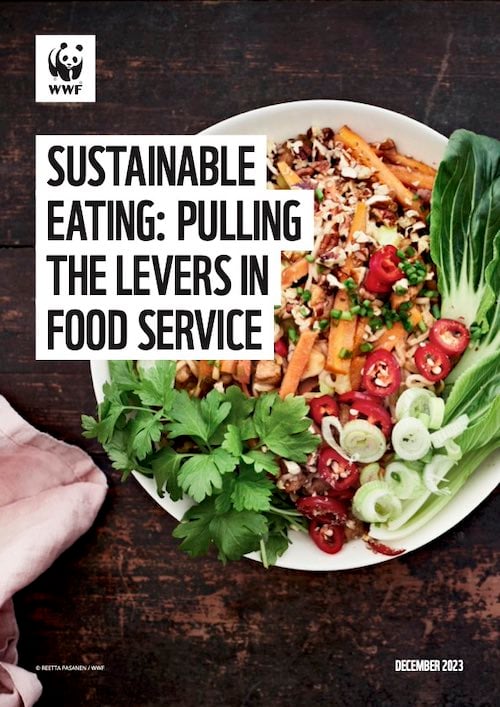
There are many other levers available to food service organisations to help accelerate progress on sustainable diets, from setting ambitious targets, to aligning with clients on key sustainability goals, to engaging customers with delicious and nutritious plant-forward and plant-based meals, while ensuring what’s offered on the menu has been sourced as sustainably as possible. WWF’s latest report, commissioned through the WWF Sodexo partnership, Sustainable Eating: Pulling the Levers in Food Service, showcases those areas of action for food service companies to accelerate this much-needed transformation.